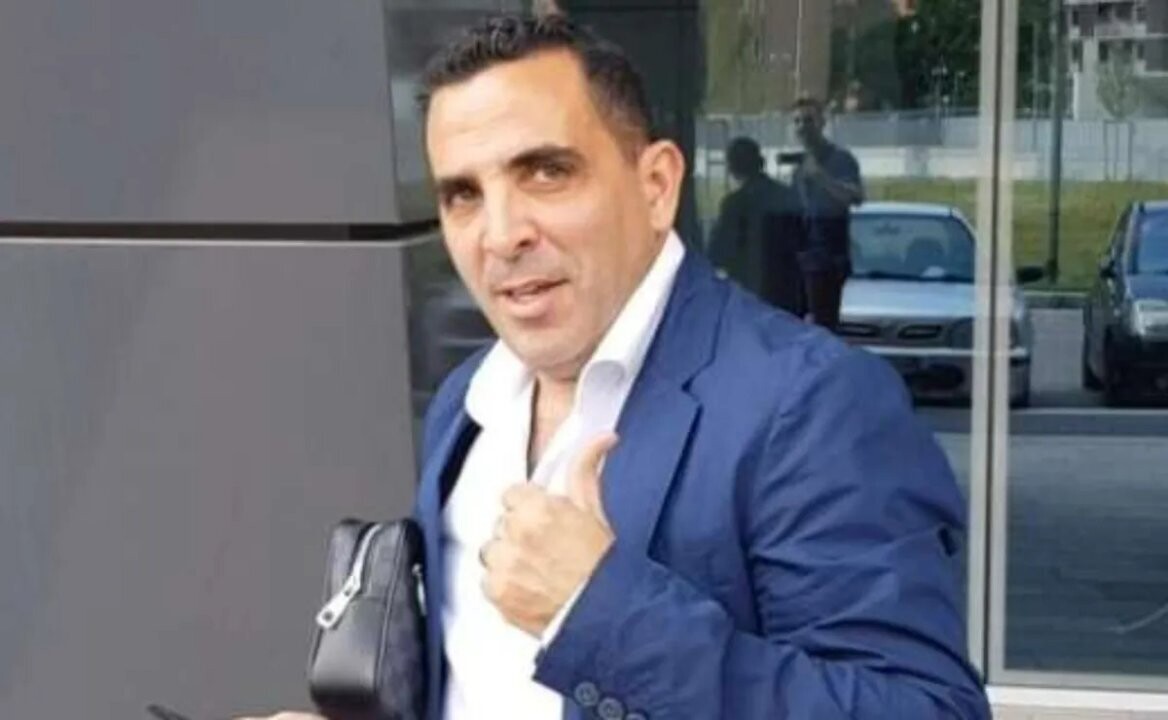
Although the transfer was already completed, the agreement served as a recognition of the formative work done by the Argentine club. The Scarlato case left an uncomfortable lesson for all actors in the system: the need to update rules, balance rights and responsibilities, and protect juveniles without curtailing their freedom. Scarlato, born in 2009, was one of the great promises of the 'Millonario's' seventh division and a regular in youth team call-ups. At the end of 2025, when the club was looking to secure his continuity with the signing of his first professional contract, the player decided not to sign it. The decision was supported by his family and by his agent, Martín Guastadisegno, who managed the player's exit to Parma, Italy, in January 2026. The club felt that the spirit of the years of formative work had been violated and denounced that the agent's actions followed a repeated pattern: recruiting young players, taking advantage of regulatory loopholes, and securing exits without dialogue or compensation for the institutions that developed them. With this argument, River Plate filed a complaint with FIFA and left open the possibility of legal action against Parma. The conflict escalated quickly and took on a public dimension. Posters against Guastadisegno with harsh messages appeared in various points of the Metropolitan Area, reflecting the rejection from part of the football environment. Beyond the methods, the episode rekindled a long-standing discussion: to what extent does the regulation protect minors and clubs against early economic interests. On an institutional level, the Argentine Football Association made an impactful decision. Between the law, business, and player development, Argentine football is once again looking in the mirror. In this way, the strange exit of a youth player under inexplicable conditions reached the public sphere and completely tarnished the image of the true responsible for this sad outcome for River Plate. The Luca Scarlato case became one of the most sensitive episodes in recent Argentine football due to the clash between the legal rights of families and the historical claim of formative clubs. The measure sought to discourage these exits and strengthen the position of local clubs, although it also sparked debate about the rights of young football players. The outcome arrived far from the flashes. To avoid a prolonged legal battle with FIFA, Parma agreed with River Plate on a percentage of a future sale of the player, thus closing the economic conflict. Buenos Aires, February 3 (NA) -- This morning, posters against the player's representative, Martín Guastadisegno, who is responsible for the controversial exit of Luca Scarlato, appeared in different areas of the Autonomous City of Buenos Aires. The message of the posters was more than clear: 'Martín Guastadisegno thief and club drainer'. The mechanism chosen was the figure of patria potestad, a legal tool that enables the parents of a minor to change their residence and work or sports activity. In practice, this path allows the juvenile to emigrate with the transfer in his possession, nullifying previous formative agreements and preventing the club from receiving immediate compensation. From River Plate, the reaction was one of strong displeasure. AFA resolved that juveniles who leave the country under the protection of patria potestad and without leaving compensation to their formative club will not be called up to youth national teams.